History and Overview
Transposon sequencing is multiplex forward genetic analysis of bacterial genes in a competitive context.
The key requirement for a successful transposon sequencing study is opportunity for growth of the mutant library.
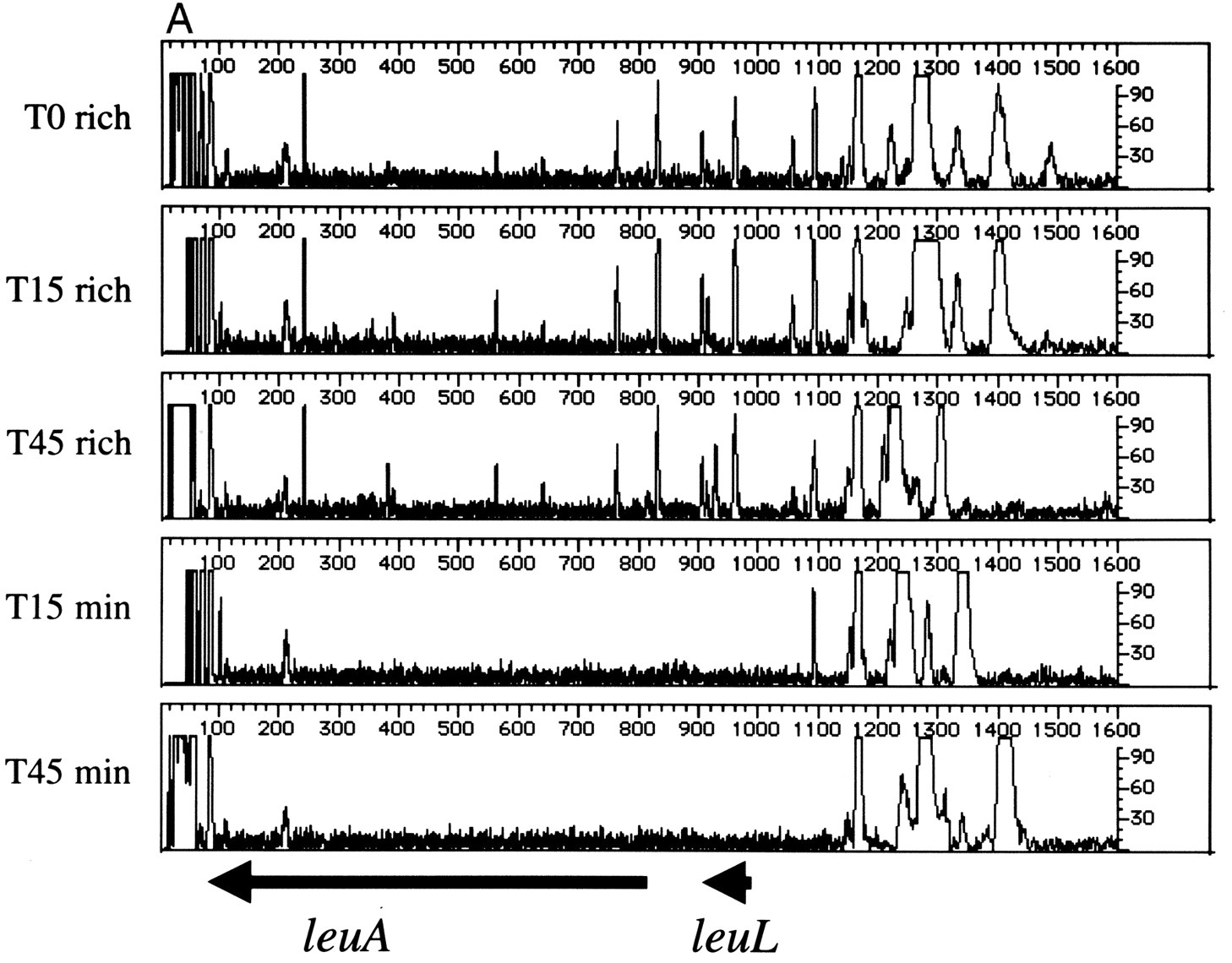
Using the technique Genetic Footprinting, it was shown that 15 generations is sufficient for mutants with a severe fitness defect to be effectively eliminated from detection:
Important to note that transposon sequencing defines genes/operons required under a given condition, not necessarily genes that are expressed at a high level under that condition. These groups often do not overlap. This is worth thinking about in the context of the question you seek to answer.